
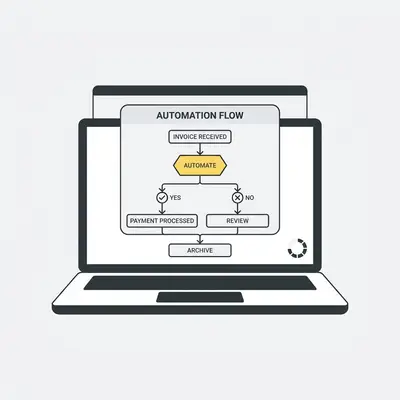
Claude AI design is the strategic process of structuring prompts, system instructions, and data inputs to ensure Anthropic’s models deliver accurate, brand-aligned results. For small businesses, this design process is the difference between generic, robotic text and high-quality automation that handles customer emails, internal reporting, and complex workflows without needing a dedicated engineering team.
Why Should Small Businesses Prioritize Claude AI Design?
Prioritizing design ensures your AI acts as a reliable extension of your team rather than a source of extra work. When you structure your inputs correctly, you reduce manual administrative tasks and maintain a consistent brand voice.
How Can You Define Your Brand Persona for Claude?
Defining a brand persona involves creating a "System Prompt" that acts as a digital style guide for your business. You must explicitly state your tone, vocabulary preferences, and constraints to ensure every output sounds like your company. This prevents the generic, "AI-sounding" language that often alienates customers and weakens your brand identity.
- Pros: Consistent brand identity and significantly reduced editing time.
- Cons: Requires an initial time investment to document your specific brand guidelines.
Pro Tip: Include a "Negative Constraint" section in your system prompt. Tell Claude exactly what not to do, such as "Do not use corporate jargon" or "Never use exclamation points," to keep the output grounded and professional.
How Do You Structure Prompts for Maximum Efficiency?
Structuring prompts effectively requires the "Context-Task-Constraint" framework, which organizes your request into logical segments. By defining the background information, the specific action required, and the limitations—such as word count or formatting—you minimize hallucinations. This structure ensures the AI delivers high-quality, actionable results on the first attempt, saving you from endless back-and-forth.
- Pros: Higher accuracy and fewer follow-up prompts needed to get the right result.
- Cons: Requires learning a specific syntax or structure to organize your thoughts.
How Does Claude’s Long Context Window Benefit Your Operations?
Claude’s massive context window allows you to upload entire documents, such as project manuals or historical sales data, for the AI to analyze in one go. This is a game-changer for small businesses because it enables the AI to provide insights based on your specific internal data. It effectively turns your static documents into a searchable, intelligent knowledge base.
- Pros: Deep analysis of internal data without needing complex database integrations.
- Cons: Requires careful data privacy management and organized document storage.
Key Insight: You can upload your entire library of past client emails to Claude. Ask it to identify common pain points or frequently asked questions to refine your service offerings based on real, historical data.
How Can You Implement Iterative Refinement Cycles?
Iterative refinement is the process of treating AI output as a "first draft" and using follow-up prompts to polish the result. Instead of accepting the first response, guide Claude by pointing out what worked and what didn't. This trains the model to better understand your specific business requirements over the course of a single session.
- Pros: Highly tailored results that improve in quality over time.
- Cons: Can be time-consuming for complex, multi-step tasks that require deep human oversight.
How Do You Maintain Data Privacy and Security?
Maintaining security involves scrubbing or anonymizing sensitive customer information before processing it with AI. By establishing a clear policy on what data is "safe" to share and utilizing enterprise-grade settings, you mitigate the risks of data leakage. Proper security protocols ensure your business reputation remains intact while you leverage the power of automation.
- Pros: Protects your business reputation and ensures regulatory compliance.
- Cons: Adds a layer of friction to your daily workflow process.
Reality Check: Never upload unredacted financial statements or private customer contact lists into a public AI interface. Always use anonymized placeholders like "[Client Name]" or "[Project ID]" to keep your data secure.
Next Steps for Your Business
Start by identifying one repetitive, text-heavy task, such as responding to customer support emails or summarizing meeting notes. Create a dedicated prompt using the Context-Task-Constraint framework and test it for one week. Once you have perfected the output for that single task, you can expand your usage to more complex workflows.
If you need help integrating these designs into your existing software stack, contact the Evalics team for a custom automation audit. We turn complex AI capabilities into simple, automated processes that save you time and increase your bottom line.